

Transforming Homes to Support Senior Living
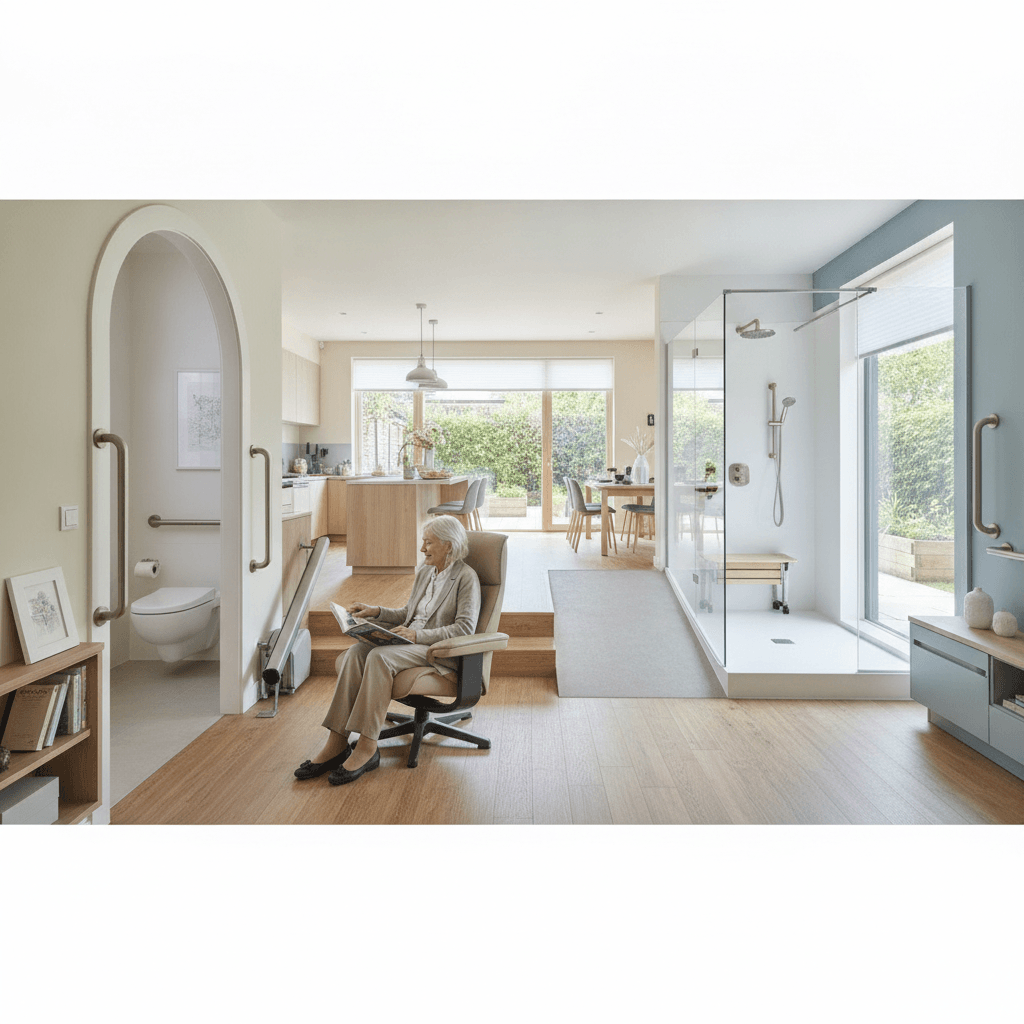
As we age, our homes often need to change with us. I think about how a house can truly support someone through all stages of life, especially as they get older. The idea of transforming homes to support senior living is not just about making a space accessible. It is also about preserving comfort, dignity, and independence for many years.
I understand that staying in a familiar environment brings immense peace of mind. Many seniors want to remain in their homes, surrounded by memories and routines. So, adapting a home is a loving investment in their future well-being.
This goes beyond simple modifications. It is a thoughtful process of redesigning living spaces to meet evolving needs. We aim to create environments that are safe, functional, and still feel like home.
Understanding the Needs of Senior Living
When I consider transforming a home for senior living, my first thought is always about understanding what aging truly means for someone’s daily life. It is not just about physical changes. It also involves comfort, mental well-being, and social connection. People want to feel safe and independent in their own space.
I recognize that each person’s needs are unique. Some may have limited mobility, while others might experience vision or hearing changes. Our goal is to create a living situation that addresses these possibilities proactively. This way, the home remains a source of joy and security, not stress.
It is important to remember that aging gracefully means adapting our surroundings. We can help seniors continue their hobbies and routines without unnecessary struggle. Thinking ahead makes a huge difference.
Prioritizing Safety and Accessibility
Safety is the cornerstone of any home modification for seniors. I always emphasize removing common hazards. Things like throw rugs, poor lighting, and slippery surfaces can cause falls. These small details can have big consequences, so we address them first.
Accessibility is also key. This means ensuring easy movement throughout the home. Wider doorways and clear pathways are important. Grab bars in bathrooms and stairlifts are often necessary additions. Making sure someone can easily use all parts of their home helps them stay independent. This freedom is very valuable.
Maintaining Comfort and Independence
Beyond safety, I believe maintaining comfort and a sense of personal space is vital. An adapted home should not feel institutional. It should still reflect the individual’s personality and style. We focus on solutions that blend seamlessly into the existing decor.
Allowing seniors to perform daily tasks without help builds confidence. This could mean adjustable countertops in the kitchen or easily reachable controls for appliances. Small changes can empower someone greatly. They can continue to live a full and engaged life in their cherished home.
Essential Home Modifications for Safe Senior Living
When we talk about transforming homes for senior living, certain modifications are absolutely essential for safety and ease of use. I have seen firsthand how simple changes can make a world of difference. These are not always expensive or major renovations. Sometimes, small adjustments can have a big impact on daily life.
We often start with the areas where accidents are most likely to happen. Bathrooms and kitchens are prime examples. These spaces see heavy daily use and can pose particular challenges for seniors. My experience shows that addressing these rooms first provides immediate benefits and peace of mind.
Planning these modifications thoughtfully helps maintain the home’s aesthetic. We do not want to sacrifice comfort or style for functionality. It is about integrating smart solutions that enhance living without making the home feel sterile. This balance is crucial for a happy living environment.
Bathroom Safety Upgrades
Bathrooms are probably the most important room to adapt for senior safety. Wet surfaces and narrow spaces create hazards. I always recommend installing grab bars near toilets and in the shower or bathtub. These provide crucial support for balance.
Walk-in showers or bathtubs with low thresholds are excellent upgrades. They remove the need to step over a high edge. A non-slip mat or flooring is also a must. Adjustable-height showerheads and built-in benches add comfort and reduce strain. These features allow seniors to bathe securely and with dignity.
Kitchen Accessibility Solutions
The kitchen is another area where small changes can make a big difference for senior independence. I focus on making everyday items easier to reach and use. Pull-out shelves in cabinets are a great idea, because they eliminate bending and stretching.
Lever-style faucet handles are much easier to operate than traditional knobs. Good lighting under cabinets helps with meal preparation. Considering appliances with easily readable displays and automatic shut-off features adds an extra layer of safety. We want to make cooking and mealtime enjoyable and safe for everyone.
Enhancing Mobility and Navigation Throughout the Home
Beyond specific rooms, overall mobility and navigation throughout the house are vital for senior living. I often evaluate the entire home layout to identify potential barriers. Smooth movement from one room to another greatly impacts daily independence. Our goal is to create an intuitive and obstacle-free environment.
I know that a home should never feel like a maze. Clear pathways and thoughtful design can prevent many falls and frustrations. This also extends to how light is used and how different levels of the home are accessed. We look at every detail, big or small, that might affect a senior’s ability to move freely and confidently.
These modifications are not about imposing limitations. They are about empowering seniors to use every part of their home with ease. This helps them stay active and engaged in their daily lives. It is about making their home work for them.
Stairway Solutions and Floor Plan Adjustments
Stairs can become a major obstacle for many seniors. I frequently recommend stairlifts as a safe and reliable option for multi-story homes. If a stairlift is not feasible, adding sturdy handrails on both sides of a staircase is a simple yet effective safety measure. Contrasting colors on stair edges can also improve visibility.
Sometimes, floor plan adjustments are needed. This might involve moving a primary bedroom to the ground floor. It could also mean creating wider doorways to accommodate walkers or wheelchairs. Ensuring clear, uncluttered paths throughout the home is always a priority. Furniture arrangement can play a large part in this.
Lighting and Visual Cues
Good lighting is absolutely crucial for safety and navigation, especially for those with reduced vision. I always advise brighter, even lighting throughout the home, with no dark spots or glare. Task lighting in areas like kitchens and reading nooks is very important.
Motion-sensor lights in hallways and bathrooms are practical additions. They prevent fumbling for switches in the dark. Using contrasting colors for walls and floor coverings can also help seniors distinguish different areas. These visual cues enhance spatial awareness and reduce the risk of trips and falls. It is a simple way to boost safety.
Smart Home Technology for Assisted Senior Living
The world of smart home technology offers incredible possibilities for enhancing senior living. I am excited by how these innovations can provide both comfort and an added layer of safety. These systems are not just for convenience. They can genuinely help seniors maintain their independence and allow caregivers more peace of mind.
I have seen how integrating smart devices can simplify daily routines and provide immediate assistance when needed. From automated controls to subtle monitoring systems, technology can be a quiet helper in the home. It is about creating a supportive environment without making it feel overly clinical. This technology lets seniors live independently longer.
The beauty of these systems lies in their adaptability. They can be customized to individual needs and preferences. This ensures they are helpful and not overwhelming. We are looking at ways to make everyday life easier and safer with smart solutions.
Automated Lighting and Temperature Control
Automated lighting systems are a game-changer. I often suggest lights that turn on when someone enters a room and turn off when they leave. This prevents falls in the dark. It also helps conserve energy. Voice-activated lighting controls are also very useful, so there is no need to reach for a switch.
Smart thermostats allow for easy temperature adjustments, even from a smartphone. This means seniors can stay comfortable without having to get up. Some systems can even learn preferences and adjust automatically. Maintaining a consistent and comfortable temperature is important for health and well-being. It is a simple luxury that makes a difference.
Emergency Alert Systems and Monitoring
Emergency alert systems are a top priority for families I work with. I recommend devices that allow seniors to call for help with the push of a button. These wearable devices can detect falls automatically. This provides immediate assistance even if someone cannot physically call for help.
Subtle monitoring systems, like sensors on doors or beds, can alert family members to unusual activity. This offers reassurance without invading privacy. These technologies are not meant to replace human interaction. They serve as valuable tools to support independent living and respond quickly in an emergency. This peace of mind is invaluable.
Personalizing the Living Space for Well-being
Transforming a home to support senior living is not just about practical changes. It is also deeply about personal well-being. I believe that a home should reflect the individual who lives there. It should be a place that brings joy, comfort, and a sense of belonging. Customizing the space helps maintain a strong connection to one’s past and present.
I have learned that keeping familiar items around can be incredibly comforting. It helps with memory and provides a stable environment. We strive to create spaces that are both functional and rich with personal meaning. This personalization truly makes a house a home for seniors.
It is about striking a balance. We integrate necessary modifications with elements that enhance emotional and psychological well-being. This approach ensures that the adapted home remains a cherished sanctuary. This is where a company like Your Homify can really help, by providing innovative ideas and solutions to make your home uniquely suited to your preferences and needs.
Incorporating Familiar Items
Surrounding oneself with beloved possessions helps foster a sense of continuity. I encourage families to keep cherished photographs, artwork, and furniture. These items hold sentimental value. They help create a warm and familiar atmosphere. Rearranging them in accessible ways ensures they can still be enjoyed.
The placement of these items matters. Make sure they are visible and easy to interact with. This could mean placing a favorite rocking chair in a well-lit corner. It could also involve displaying family photos at eye level. These small touches contribute greatly to a senior’s emotional health. They reinforce a sense of identity.
Creating Comfortable Relaxation Zones
Having dedicated spaces for relaxation and hobbies is also very important. I recommend comfortable seating areas where seniors can read, listen to music, or simply rest. Good lighting and easy access to personal items, like a remote or a glass of water, are key components.
Consider a small garden space, if possible, or indoor plants to bring nature inside. A quiet corner for meditation or reflection can also be beneficial. These zones offer retreats within the home. They promote mental calm and reduce feelings of isolation. Creating these personal havens supports overall happiness.
Working with Professionals for Home Transformations
Undertaking significant home transformations for senior living can feel overwhelming. I always advise working with professionals. They bring expertise and experience to the table. This ensures modifications are done correctly and safely. It also helps avoid costly mistakes.
I know that a team approach often yields the best results. This can include input from medical professionals and skilled contractors. Their combined knowledge ensures all aspects of a senior’s needs are met. Seeking professional guidance gives families confidence in the changes they are making.
The right professionals can also suggest innovative solutions you might not have considered. They are up to date on the latest products and best practices. This ensures the home is truly optimized for long-term senior living. It is a worthwhile investment in future security and comfort.
Consulting with Occupational Therapists
Occupational therapists are invaluable partners in this process. I highly recommend consulting one early on. They specialize in assessing individual needs and recommending specific home modifications. Their focus is on enabling daily activities and preventing injuries.
An occupational therapist can evaluate how a senior interacts with their current living space. They can then suggest practical solutions for everything from bathroom setups to kitchen layouts. Their insights are based on a deep understanding of physical limitations. This ensures the modifications are truly effective for the individual.
Hiring Certified Contractors
Once you have a plan, hiring certified and experienced contractors is crucial. I always look for contractors who have specific experience with accessibility modifications. They understand the building codes and safety standards related to these types of projects.
Checking references and reviewing past work is always a good idea. A reputable contractor will communicate clearly and provide detailed estimates. They ensure the work is done to a high standard. This collaboration with skilled tradespeople guarantees a safe and durable home transformation.
Embracing a Future of Independent Senior Living
Transforming our homes to support senior living is a powerful way to champion independence and enhance the quality of life for our elders. I have seen how these thoughtful adjustments can prolong the ability to live comfortably and safely in familiar surroundings. It is more than just remodeling. It is about creating an environment where joy and well-being can continue to flourish without interruption.
We have explored the importance of understanding individual needs. We also looked at prioritizing safety, and using smart technology to support daily living. Each modification contributes to a larger picture of a supportive and personalized home. This proactive approach allows seniors to age in place with confidence and dignity. They can continue to make cherished memories in the place they love most.
I encourage everyone to consider these transformations for their loved ones or for themselves. Start with small, manageable changes and build from there. Consult with professionals, like occupational therapists, to create a comprehensive plan. Embrace the possibilities that modern adaptations offer. Let us build homes that truly grow with us, fostering health, happiness, and independence for many years to come. Take the first step today towards creating a home that supports a fulfilling future.
 Fixing Leaky Bathroom Fixtures
  Your Statistics Tutor
  The Dormo-Diagnostics Sleep Machine
  Vacation Travel Club
  What is Search Engine Optimization
  Poverty Lines
  Transforming Homes to Support Senior Living